If you have been receiving unsolicited physical mail from UCSF Medical Center or related entities and you want it to stop, you are not alone. Many people across the United States wonder why large health systems send paper mail, whether it is junk, and how to opt out.
This guide will cover:
- What is the UCSF Medical Center?
- Why does the UCSF Medical Center send junk mail?
- Can I stop junk mail from the UCSF Medical Center?
- How long it takes to opt out?
- What other mailing might I still receive after opting out?
- Related questions and smart strategies.
By the end of this article you will know exactly why the mail shows up in your mailbox, what its purpose is, and the best way to make it stop.
In a Hurry? Here’s How to Stop UCSF Medical Center Junk Mail Fast:
UCSF
Box 0248
San Francisco, CA 94143-0248
Processing Time: Typically 6 to 12 weeks.
What is the UCSF Medical Center?
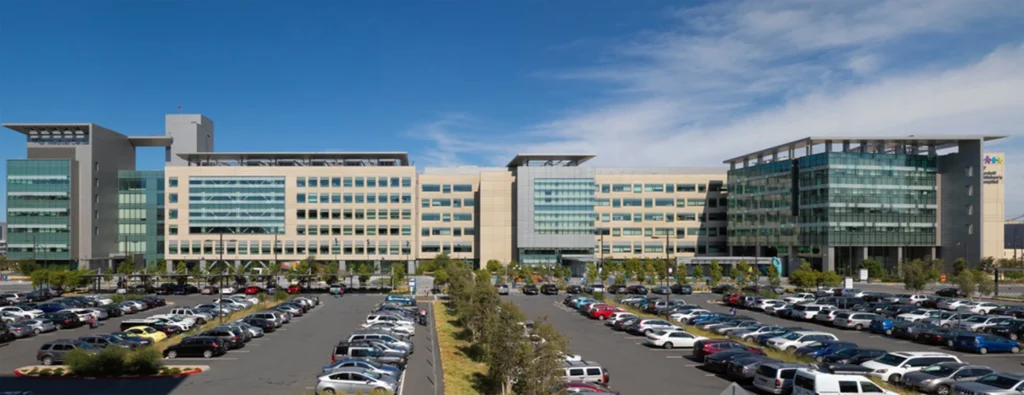
UCSF Medical Center is one of the leading teaching hospitals and research medical centers in the United States. It is part of UCSF Health, the clinical care delivery arm of the University of California, San Francisco, a world-renowned medical research and academic institution. UCSF Medical Center operates major hospitals and clinics, conducts health science research, and trains future healthcare professionals.
Together with UCSF Benioff Children’s Hospitals and other UCSF Health facilities, it offers a full range of clinical services from primary care to complex specialty medicine. Its reputation for high-quality care attracts patients from across the U.S. and abroad.
Why is the UCSF Medical Center Sending Me Junk Mail?
When people refer to “junk mail” from a hospital or health system like UCSF, they are usually talking about one of these types of mail:
1. Fundraising and Donation Appeals
Healthcare systems with nonprofit status often send direct mail appeals for donations to:
- Support research programs
- Fund patient care initiatives
- Build facilities
- Advance medical education
This mail can be highly targeted and may include glossy brochures, donation requests, or invitations to events. Institutions like UCSF conduct broad fundraising campaigns and may include your address if it came from public records, service contacts, alumni data, or patient encounters. Under federal privacy rules like HIPAA, fundraising mail must provide an opt-out option.
2. Alumni and Community Communications
If you ever had contact with UCSF Health, signed up for updates, joined events, or signed petitions, your address may be added to community newsletters or alumni mailing lists. These are not billing mail or insurance notices, they are informational and promotional mailings.
3. Event Invitations and Outreach Materials
Universities and medical centers host events such as:
- Galas
- Health fairs
- Lectures
- Community campaigns
Promotional mailings for these are often included with mailing lists used by the main hospital or affiliated foundations.
In some cases, you might be on multiple related lists (UCSF Medical Center, UCSF Health, UCSF Foundation). That’s why mail from one entity may reflect another name in the sender line.
Is UCSF Selling or Sharing My Information With Other Companies?
Many people worry that UCSF is selling their address.
According to UCSF’s own mailing list privacy policy, the institution does not sell or share your personal information with third parties for marketing purposes. They may use aggregate statistics (de-identified data) for tracking, but they state explicitly that individual addresses are not shared or sold to outside firms.
However, data can still circulate within UCSF fundraising, alumni, and community mail channels if your contact information was collected through a UCSF-linked service.
What Does Opting Out From UCSF Medical Center Mail Also Opt Me Out From?
This is one of the most important questions for people trying to stop junk mail.
Opting Out Specifically Stops:
- Fundraising mail from UCSF Medical Center and UCSF Health
- Donation requests mailed through the UCSF development offices
- Direct mail appeals tied to patient-related contact or alumni communication
BUT Opting Out Does Not Always Stop:
- Appointment reminders or medical communication (like MyChart notices)
- Billing statements
- Public health communications required by law
- Research study recruitment messages (unless specifically opted out of those services too)
There are different communication preferences maintained by UCSF for clinical messages versus community outreach versus fundraising. Opting out of fundraising mail does not automatically pull you off medical notifications such as appointment reminders, billing notices, or SMS alerts (those typically must be managed through MyChart or the healthcare provider directly).
In short, opt-out reduces marketing and fundraising mail but does not stop clinical or legally required contact.
How Do You Opt Out of UCSF Medical Center Mailing Lists? (Best Method)
Here is the most reliable way to opt out, including multiple methods you can choose from depending on what information you have:
1. Send a Written Opt-Out Request
The University of California has formal policies governing fundraising mail. They require every printed fundraising mail to include an opt-out method and a clear contact for removal requests.
To opt out for mailings that use patient or alumni data, you can contact:
Records Manager, UCSF
Box 0248
San Francisco, CA 94143-0248
Include:
- Your full name
- Your current mailing address
- A statement that you want to opt out of future fundraising mail from UCSF Health, UCSF Medical Center, and related entities
2. Email the Official Opt-Out Address
Send a clear email saying you want to be removed from mailing lists to:
This address is referenced in UCSF policy language for HIPAA-based opt-outs and fundraising removal.
3. Call the Fundraising Opt-Out Line
You can also request removal via phone:
1-888-804-4722
Make sure to state that you do not want to receive further fundraising solicitations or marketing mail.
4. Contact Customer Service
Another useful contact for physical mailed communications is:
- Phone: +1-415-476-3952
- Email: custsvc@ucsf.edu
This is often used for general mail preference management and can help route you to the right department.
How Long Does It Take to Stop UCSF Junk Mail?
There is no instant stop when opting out. In most cases:
- It may take 8-12 weeks for mailings to fully stop as mailing lists are updated and new campaign mailings cycle.
- Some organizations process opt-outs faster (few weeks) if they use digital lists.
Because direct mail campaigns are printed and scheduled in advance, you may continue to receive mail for a bit after your request.
Is There an Easier Way to Stop Junk Mail Entirely?
Yes. While the above methods will stop UCSF-specific mail, there are general junk mail reduction strategies for all paper mail:
1. Register With National Mail Preference Services
- DMAchoice.org – Manage your general advertising mail preferences.
- OptOutPreScreen.com – Stop unsolicited credit and insurance offers.
These services help reduce mail nationwide, but they won’t stop every charity or institutional fundraiser.
2. Use An App Like “Opt Outs“
Applications such as Opt Outs available on Android and iOS allow you to take a photo of unwanted mail and they attempt to remove you from the sender’s list. This is a convenience service that saves you from contacting individual senders manually.
3. USPS Refuse Strategy
Some people write “Return to Sender, Remove From Mailing List” on unopened mail and drop it in a USPS mailbox. This can sometimes trigger return-to-sender processing by USPS, though its effectiveness varies.
Other Relevant Questions
Do I Have to Be a Patient to Get UCSF Mail?
No. People can receive fundraising mail or community outreach mail simply because their information was listed in:
- Alumni or university-linked databases
- Public records
- Health advocacy lists
- Event or newsletter signups
You do not need to be an active patient for UCSF mail to be sent to your address.
What Happens if I Ignore the Junk Mail?
If you ignore fundraising and marketing mail:
- You might continue receiving future mailings on a regular schedule
- You could receive duplicates from affiliated entities (like UCSF Foundation or UCSF Benioff Children’s Hospitals)
- Your address stays active in mailing lists until removed
Ignored mail does not hurt anything, but it also does not automatically remove you from lists.
Final Tips to Stop UCSF and Other Medical Center Junk Mail
- Use the official opt-out contacts first (email + mail address).
- Request specifically for all related entities (UCSF Medical Center, UCSF Health, UCSF Foundation).
- Follow up after 6 weeks if mail continues.
- Use MyChart settings if you also want to reduce clinical or appointment reminder mail.
- Combine opt-out with national services (DMAchoice/OptOutPreScreen) for best results.
Conclusion
Getting unsolicited mail from a healthcare institution like UCSF Medical Center can be confusing, especially when you did not request services or newsletter updates. But most of these mailings are tied to fundraising, alumni outreach, and community engagement, not billing or patient clinical communication.
The best way to stop the paper junk mail is to submit a clear opt-out request using both email and physical mail to the addresses provided by UCSF policy, and give it up to three months to work through mailing cycles.
Once you take control of your mail preferences, you should see a noticeable reduction in UCSF-related junk mail and enjoy a cleaner, quieter mailbox.